Oil filter
Engine oil picks up tiny bits of metal, soot and grit as it flows around the engine. The oil filter traps those particles so they don't wear the bearings and other moving parts. It is usually a sealed metal canister that screws onto the engine, or a paper cartridge that sits inside a housing.
The filter is normally changed every time the oil is changed. Your owner's manual gives the oil change interval and the correct oil grade for your engine. Some cars also have an oil life monitor that estimates when the next change is due.
Changing oil and filter is a common DIY job, but it means raising the car safely, handling hot oil, and disposing of the old oil and filter properly. Many auto parts stores and local recycling centers accept used oil.
Engine air filter
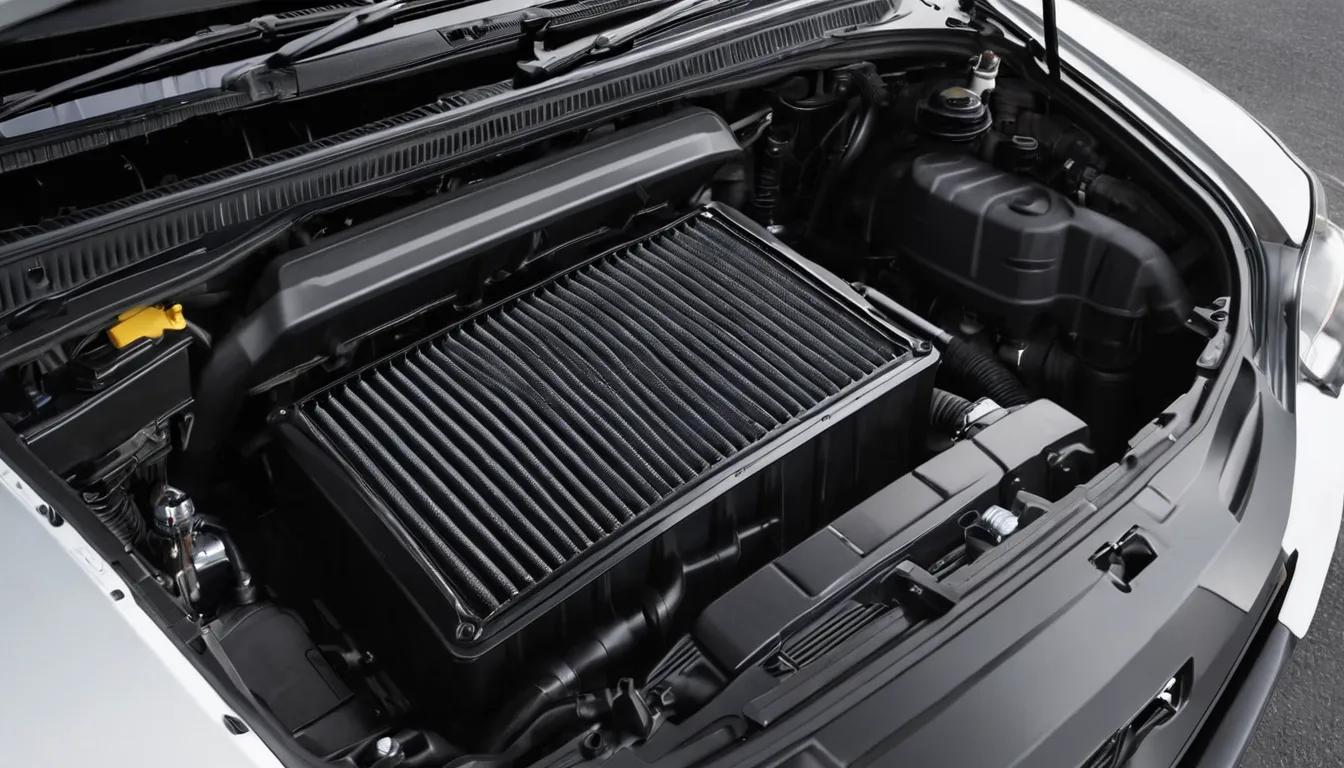
An engine burns fuel mixed with a large volume of air. The engine air filter cleans that air before it enters the engine. It usually sits in a plastic box near the front of the engine bay, connected to a large intake duct.
On many cars, checking it means undoing a few clips, lifting the lid and looking at the pleats. A filter that is dark with dirt, holds leaves or debris, or looks damaged is due for a change. Cars driven on dusty or gravel roads may need a new filter sooner than the manual's normal interval.
When you fit the new filter, make sure it sits flat in the box with the seal all the way around, and that the clips close fully. A gap lets dirty air bypass the filter.
Cabin air filter
The cabin air filter cleans air coming into the passenger compartment through the heating and air conditioning system. It catches dust and pollen, and some versions include activated carbon to cut odors. On many cars it sits behind the glove box. On others it is under the dashboard or below the windshield, under a cowl panel.
Signs of a clogged cabin filter include weak airflow from the vents even on high, a musty smell, and windows that are slow to clear. The owner's manual usually shows how to reach it. Note the airflow arrow on the edge of the filter and install the new one facing the same way.
Fuel filter
The fuel filter stops dirt and rust in the fuel from reaching the injectors. On older cars it was often a small canister in the fuel line under the car. On many newer cars it is built into the fuel pump assembly inside the tank and is not a routine service item. Diesel vehicles usually have a serviceable fuel filter that may also separate water from the fuel.
Leave fuel work to a shop. Fuel systems are under pressure and the fuel is highly flammable. Replacing a fuel filter or anything in the fuel line is a job for a qualified mechanic.
At a glance
| Filter | Typical location | Who usually changes it |
|---|---|---|
| Oil filter | On the engine, often underneath | Owners with tools and a safe way to lift the car, or a shop |
| Engine air filter | Plastic box near the front of the engine bay | Many owners, often without tools |
| Cabin air filter | Behind the glove box or below the windshield | Many owners; some cars need panels removed |
| Fuel filter | In the fuel line or inside the tank | A shop |
To buy the right filter, match it to your exact engine. Two versions of the same model can use different filters. See how to find the right part.